
WHAT DOES IT TAKE TO BE A CERTIFIED FLIGHT INSTRUCTOR - INSTRUMENT
Once you’ve earned your CFI – Airplane, the CFII adds the authority to train instrument students and sign them off for their instrument rating checkride — one of the most in-demand credentials for building flight hours as a professional pilot.
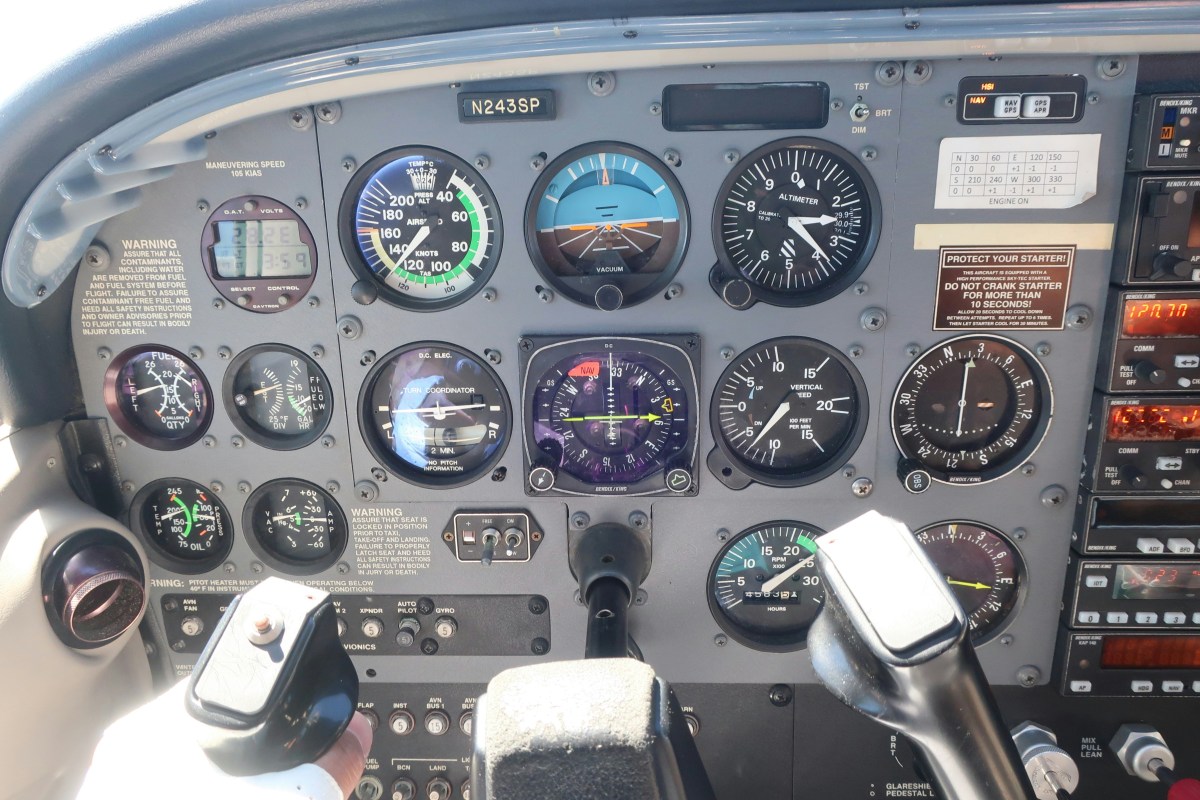
The CFII adds a new dimension to instruction: teaching students to fly the airplane without looking outside. You’ll learn to evaluate a student’s instrument scan, recognize the onset of spatial disorientation before it becomes dangerous, and run realistic IFR scenarios — holds, approaches, partial-panel emergencies — safely from the right seat.

TRAINING FOCUS
- Instrument teaching fundamentals — adapting core FOI concepts to instrument instruction
- Approach and procedure instruction — teaching precision and non-precision approaches, holds, and departures
- Scenario-based IFR training — simulated system failures, lost communications, and partial-panel work
- Ground instruction — weather, IFR flight planning, and the regulations specific to instrument operations
-
Applicants must hold a CFI – Airplane certificate and an instrument rating, and must pass the CFII knowledge and practical tests.
COMING SOON — PART 141 TRAINING: Our CFI-Airplane candidates train under Part 61 today. A Part 141 instructor course is in development and will bring the same structured, stage-based CFI curriculum already proven in our helicopter program to the fixed-wing side.