
WHAT DOES IT TAKE TO BE A CERTIFIED FLIGHT INSTRUCTOR
After earning your commercial certification, the typical next step for airplane pilots involves pursuing instructor credentials.
Anthelion regards flight instruction as both extremely honorable and skilled. We believe the quality of a student’s learning is directly related to the quality of their airplane flight instructor, and we prioritize teaching and interpersonal skill development before introducing flight maneuvers.
Training acknowledges an important reality: students absorb information differently and progress at varying speeds. Instructors achieve better results through careful observation of individual learning patterns, applying this understanding both during flights and ground instruction.

STAGES OF YOUR CERTIFIED FLIGHT INSTRUCTOR TRAINING
Anthelion Helicopters begins your flight instructor training by teaching the Fundamentals of Instruction (FOI’s). We then teach you how to develop a flight lesson plan for the ground portion of your student’s airplane flight training. You will then determine how to use all teaching resources available to you and how to evaluate its effectiveness in the flight lesson plan.
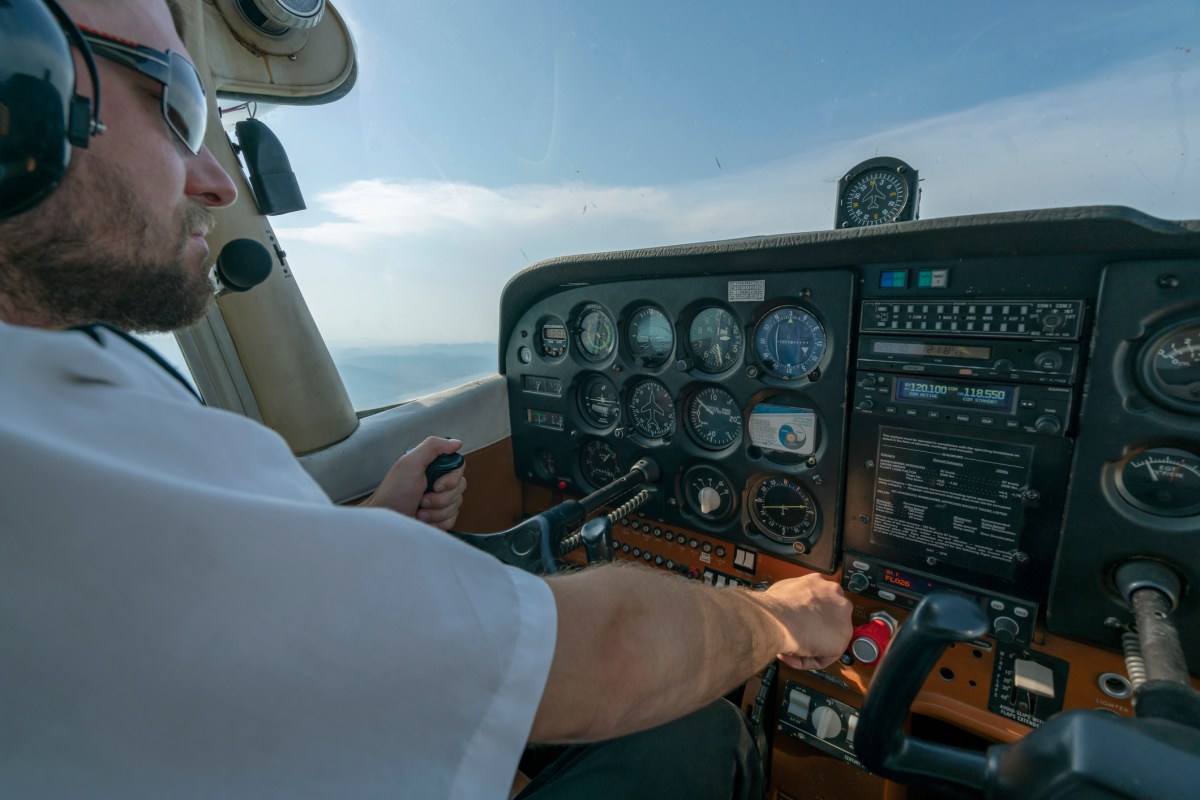
After, we move onto the maneuvers of flight. We review and breakdown each aerial maneuver and how to most effectively teach it to your student. At this stage you will be teaching while your student flies.
-
Applicants for a Flight Instructor Certificate – Airplane must hold a commercial pilot certificate (or ATP) with an instrument rating in the airplane category, and must log at least 15 hours as pilot-in-command in the category and class of aircraft appropriate to the rating sought (14 CFR § 61.183).
COMING SOON — PART 141 TRAINING: Our CFI-Airplane candidates train under Part 61 today. A Part 141 instructor course is in development and will bring the same structured, stage-based CFI curriculum already proven in our helicopter program to the fixed-wing side.
FREQUENTLY ASKED QUESTIONS
-
You must be at least 18 and hold a Commercial Pilot certificate with an Airplane rating and an Instrument Rating. We also recommend coming in with your commercial maneuvers still sharp. If you earned your Commercial some time ago, a couple of refresher flights first usually saves time overall.
-
The Fundamentals of Instructing (FOI) is an FAA knowledge test on how people learn: lesson planning, assessing students, and effective teaching. Everyone becoming a CFI for the first time takes it. If you’re already a helicopter CFI, or you hold certain teaching credentials, you’re exempt. That makes adding an airplane CFI faster for our helicopter instructors.
-
There are two written knowledge tests: the FOI and the Flight Instructor Airplane test. Then comes the practical test, which is known as one of the most demanding checkrides in aviation. Expect a long oral exam in which you teach the examiner, followed by a flight where you demonstrate and explain maneuvers from the right seat. You’ll also need an instructor endorsement for spin training before the checkride.
-
Yes. You must have logged at least 15 hours as pilot in command in single-engine airplanes. Most airplane pilots have this many times over. Helicopter pilots moving across should check their logbook early, since helicopter time doesn’t count toward these 15 hours.
-
Training runs in three stages. First, ground work: FOI and lesson plans. Then right-seat flying: re-learning every maneuver from the instructor’s side of the cockpit. Last, mock lessons, where our CFIs play difficult students. Most candidates finish in 2–3 months at full-time pace. The biggest time savers are writing your lesson plans early and passing both written tests before flight training starts.
-
Most pilots earn the CFI first and then add the CFII soon after, while the teaching skills are fresh. The CFII lets you teach instrument students and the instrument portion of the Commercial, so you’ll fly more hours and get hired more easily. Ask us about combining the two.